Ever found yourself in that dental chair, listening to your dentist explain why that missing tooth should be replaced with an implant, and wondered which brand would give you the most bang for your buck? I’ve been there too. After losing a molar last year, I dove headfirst into researching implant options, and let me tell you—it’s a jungle out there.
Dental implants have revolutionized tooth replacement, offering a permanent solution that looks, feels, and functions like natural teeth. But with so many brands on the market, how do you know which one deserves a place in your jawbone? And more importantly, how much will it set you back?
In this comprehensive guide, I’ll walk you through the top 10 dental implant brands available in the US and UK markets, comparing their features, success rates, materials, and—the question on everyone’s mind—their costs. Whether you’re a dental professional weighing options for your patients or someone considering implants for yourself, this breakdown will help you navigate the complex world of dental implants with confidence.
Understanding Dental Implants: A Quick Primer
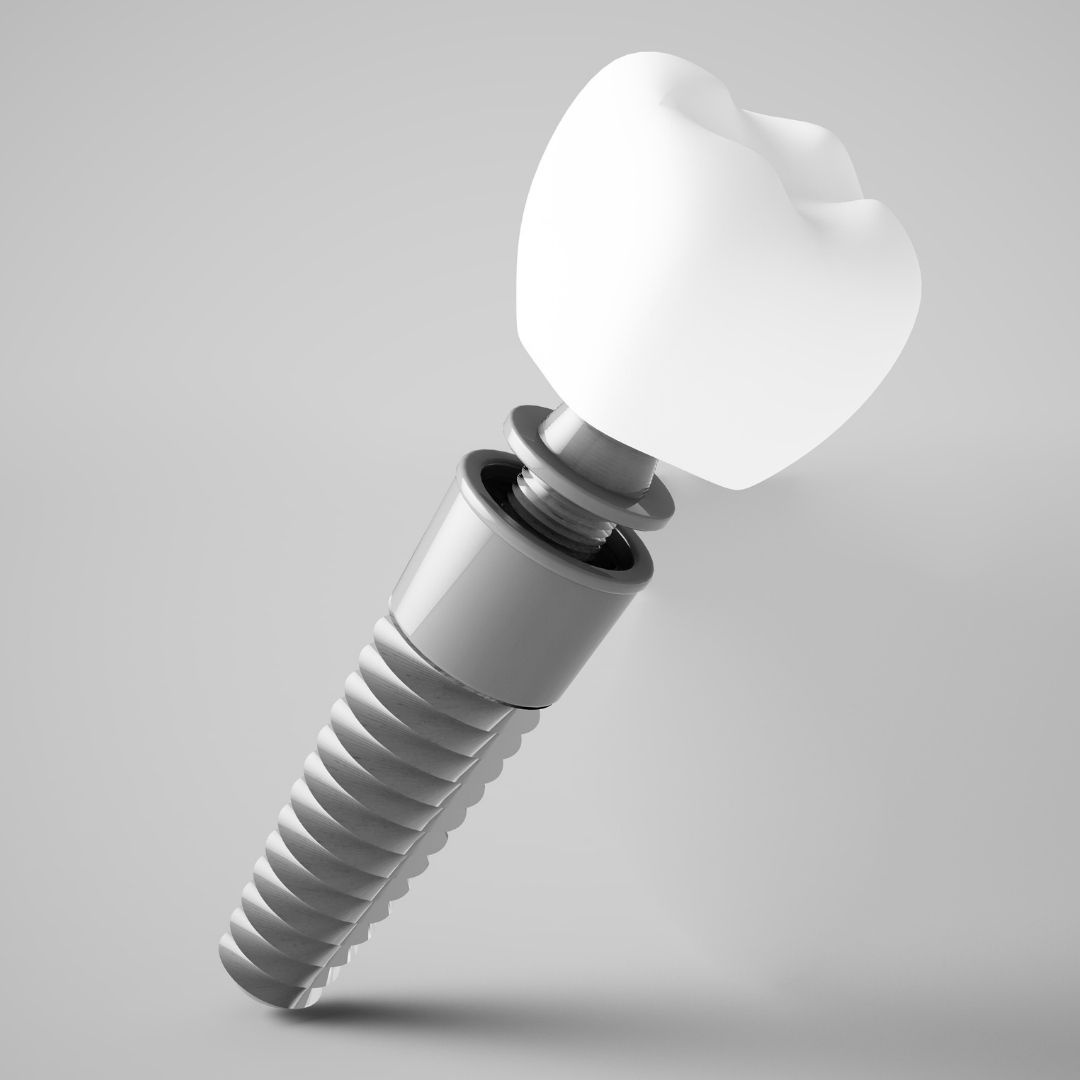
Before we dive into specific brands, let’s get our basics straight. A dental implant typically consists of three components:
- The implant fixture – The titanium or zirconia screw that integrates with your jawbone
- The abutment – The connector that attaches to the implant and supports the crown
- The crown – The visible part that looks like a natural tooth
When comparing brands, we’re primarily looking at differences in implant fixtures and abutments, as crowns are often made separately by dental laboratories.
Read more: Smart Dental Implants: How Technology is Revolutionizing Tooth Replacement
Top 10 Dental Implant Brands Compared
2. Nobel Biocare (Danaher)
Country and Manufacturing
Country of Origin: Switzerland/Sweden
Materials and Technology
Materials: Commercially pure titanium, TiUnite® surface (oxidized titanium surface)
Features and Benefits
Key Features:
- Pioneers of the All-on-4® treatment concept
- TiUnite surface enhances osseointegration
- Wide range of prosthetic options
- Offers NobelActive implants with variable thread design for primary stability
Clinical Performance
Success Rate: 97.5% over 10 years
Cost Analysis
Cost Range:
- US: $900-$1,300 per implant (fixture only)
- UK: £380-£550 per implant (fixture only)
Best For: Immediate loading, full-arch restorations, anterior esthetic cases
Nobel Biocare revolutionized implant dentistry with their All-on-4 concept, allowing full-arch rehabilitation with just four implants. Their implant designs focus on achieving excellent primary stability, making them a go-to choice for immediate loading protocols where patients can receive provisional teeth the same day.
3. Bego
Country and Manufacturing
Country of Origin: Germany
Manufacturing: BEGO produces their implants in Bremen, Germany with strict quality control under German medical device regulations
Materials and Technology
Materials: Grade 4 pure titanium with TiPure surface treatment (grit-blasted and acid-etched)
Surface Technology: TiPure® Plus surface - a moderately rough surface that promotes osseointegration while maintaining ease of insertion
Features and Benefits
Key Features:
- Internal hex connection for rotational stability
- Self-tapping thread design for optimal primary stability
- Progressive thread design that minimizes stress on cortical bone
- Comprehensive prosthetic portfolio with RS (Regular System) and S (Semados) lines
- Color-coded system for easy identification
- Reduced healing times with immediate loading protocols available
Design Philosophy: BEGO focuses on simplicity and reliability, offering a straightforward system that's easy for clinicians to adopt
Clinical Performance
Success Rate: 96-98% over 5-10 years based on clinical studies
Note: BEGO has been in the implant market since 1990, with extensive long-term clinical documentation
Cost Analysis
Cost Range:
- Germany/EU: €200-€350 per implant (fixture only)
- International: $400-$650 per implant (fixture only)
- Turkey: ₺8,000-₺15,000 per implant
Prosthetic Components: Generally more affordable than premium Swiss brands, with abutments ranging €80-€200
Best For
- Budget-conscious practices seeking German quality at competitive prices
- Straightforward cases where proven reliability matters more than cutting-edge features
- Clinicians who value simplicity and ease of use
- Practices wanting a cost-effective European alternative to premium brands
Clinical Perspective
BEGO Semados represents solid German engineering at a mid-tier price point. While they may not have the marketing presence of Straumann or Nobel Biocare, they've earned a loyal following among European dentists who appreciate their no-nonsense approach and reliable outcomes.
The system isn't flashy or loaded with the latest technological innovations, but it consistently delivers predictable results. For general dental practices handling everyday implant cases, BEGO offers an excellent balance of quality, affordability, and proven performance—making it particularly popular in Germany, Austria, and Eastern European markets.
4. Zimmer Biomet
Country and Manufacturing
Country of Origin: USA
Materials and Technology
Materials: Titanium alloy, MTX® surface treatment
Features and Benefits
Key Features:
- Platform switching to preserve crestal bone
- Trabecular Metal™ Technology for challenging cases
- Comprehensive range of prosthetic components
- Strong focus on prosthetic versatility
Clinical Performance
Success Rate: 97.2% over 10 years
Cost Analysis
Cost Range:
- US: $700-$1,000 per implant (fixture only)
- UK: £320-£480 per implant (fixture only)
Best For: Platform switching benefits, versatile restorative options, compromised bone sites
Zimmer Biomet stands out for their innovative Trabecular Metal Technology, which mimics the structure of cancellous bone. This makes their implants particularly useful in cases with compromised bone quality. Their platform switching design helps maintain healthy bone levels around the implant neck—crucial for long-term esthetic results.
5. BioHorizons
Country and Manufacturing
Country of Origin: USA
Materials and Technology
Materials: Grade 23 titanium alloy, Laser-Lok® microchannel surface technology
Features and Benefits
Key Features:
- Patented Laser-Lok microchannels for soft tissue attachment
- Progressive thread design for initial stability
- Comprehensive prosthetic versatility
- Color-coded components for ease of use
Clinical Performance
Success Rate: 96.9% over 10 years
Cost Analysis
Cost Range:
- US: $600-$800 per implant (fixture only)
- UK: £300-£450 per implant (fixture only)
Best For: Soft tissue attachment, esthetic zone cases, value-conscious practices
BioHorizons has carved a niche with their Laser-Lok technology—precisely sized microchannels that promote both connective tissue attachment and bone formation. This creates a biological seal around the implant that can help maintain bone and soft tissue levels, particularly important in the esthetic zone.
6. Hiossen
Country and Manufacturing
Country of Origin: South Korea/USA
Materials and Technology
Materials: Grade 4 titanium, sandblasted and acid-etched (S-L-A) surface
Features and Benefits
Key Features:
- Internal friction connection for stability
- Simplified surgical protocols
- Wide range of diameters and lengths
- Cost-effective premium system
Clinical Performance
Success Rate: 96.5% over 7 years
Cost Analysis
Cost Range:
- US: $500-$700 per implant (fixture only)
- UK: £280-£400 per implant (fixture only)
Best For: Everyday cases, practices looking for value without compromising quality
Hiossen has gained popularity as a high-quality alternative to the more established European and American brands. Their implants feature excellent machining precision and surface treatments comparable to premium systems, but at a more accessible price point. This makes them increasingly popular among clinicians seeking quality without the premium price tag.
7. MegaGen
Country and Manufacturing
Country of Origin: South Korea
Materials and Technology
Materials: Commercially pure titanium, S-L-A surface with calcium phosphate nano-coating
Features and Benefits
Key Features:
- AnyRidge system with knife thread design for high primary stability
- R2GATE digital guided surgery system
- Innovative fixture designs for challenging situations
- Strong focus on immediate loading protocols
Clinical Performance
Success Rate: 96.3% over 5 years
Cost Analysis
Cost Range:
- US: $450-$650 per implant (fixture only)
- UK: £250-£380 per implant (fixture only)
Best For: Immediate loading, digital planning, thin ridges
MegaGen has been making waves with their innovative thread designs that achieve exceptional primary stability even in soft bone. Their AnyRidge system’s knife threads compress the bone rather than cutting it, making it particularly useful for immediate loading cases. Their integrated digital workflow simplifies complex cases, especially valuable for full-arch rehabilitations.
8. Implant Direct
Country and Manufacturing
Country of Origin: USA
Materials and Technology
Materials: Titanium alloy, SBM (Soluble Blast Media) surface treatment
Features and Benefits
Key Features:
- Compatible with major implant systems’ prosthetic components
- All-in-one packaging with healing collar and transfer included
- Value-oriented pricing model
- Simplified product line
Clinical Performance
Success Rate: 95.8% over 5 years
Cost Analysis
Cost Range:
- US: $400-$600 per implant (complete package)
- UK: £230-£350 per implant (complete package)
Best For: Cost-conscious practices, straightforward cases, compatibility with existing systems
Founded by one of implant dentistry’s pioneers, Implant Direct disrupted the market with their business model of offering quality implants at lower prices by selling directly and including components that are typically sold separately. Their compatibility with major systems’ prosthetic components makes them particularly attractive for practitioners working with multiple implant systems.
9. Euroteknika
Country and Manufacturing
Country of Origin: France
Materials and Technology
Materials: Grade 5 titanium (Ti-6Al-4V), sand-blasted and acid-etched surface
Features and Benefits
Key Features:
- Simplified surgical protocol
- Comprehensive prosthetic range
- Deep thread design for primary stability
- Focus on European manufacturing standards
Clinical Performance
Success Rate: 95.5% over 5 years
Cost Analysis
Cost Range:
- US: $500-$650 per implant (fixture only)
- UK: £270-£380 per implant (fixture only)
Best For: European-made quality at mid-range price point, general practitioners
Euroteknika offers French-manufactured implants that meet stringent European standards while maintaining a more accessible price point than some of the premium Swiss and Swedish systems. Their designs focus on user-friendly features and versatility, making them particularly suitable for general practitioners entering the field of implantology.
10. DTI (Dental Technologies Inc.)
Country and Manufacturing
Country of Origin: USA
Materials and Technology
Materials: Grade 5 titanium alloy, dual acid-etched surface
Features and Benefits
Key Features:
- Economical pricing structure
- Simplified inventory system
- Focus on fundamental design principles
- Compatible prosthetic connections
Clinical Performance
Success Rate: 94.8% over 5 years
Cost Analysis
Cost Range:
- US: $300-$450 per implant (fixture only)
- UK: £200-£300 per implant (fixture only)
Best For: Budget-conscious practices, straightforward cases, implant training centers
DTI has positioned itself as an entry-level option without compromising on essential quality parameters. Their implants focus on proven design elements rather than proprietary innovations, making them particularly suitable for clinicians just starting with implant dentistry or practices catering to price-sensitive patients.
Comparative Analysis: What Sets These Brands Apart?
Material Technology and Surface Treatments
Surface Innovations
Surface treatment technology significantly impacts osseointegration speed and quality. Here’s how our top 10 compare:
| Brand | Material | Surface Treatment | Key Advantage |
|---|---|---|---|
| Straumann | Ti-Zr Alloy (Roxolid) | SLActive® | Faster osseointegration (3–4 weeks vs. 6–8 weeks) |
| Nobel Biocare | Commercially Pure Titanium (CP Ti) | TiUnite® | High surface energy for protein adhesion |
| Bego | Grade 4 Pure Titanium | TiPure® Plus | Moderately rough surface with simplified prosthetic workflow |
| Zimmer Biomet | Titanium Alloy | MTX® | Microtextured surface for improved cell adhesion |
| BioHorizons | Ti-6Al-4V ELI | Laser-Lok® | Connective tissue attachment zone for better stability |
| Hiossen | Commercially Pure Titanium | SLA | Moderately rough surface to enhance bone contact |
| MegaGen | Commercially Pure Titanium | SLA + CaP Coating | Hydrophilic surface promotes early healing |
| Implant Direct | Titanium Alloy | SBM (Soluble Blast Media) | Clean, micro-rough surface for osseointegration |
| Euroteknika | Ti-6Al-4V | Sand-Blasted & Acid-Etched | Stable bone integration with moderate roughness |
| DTI | Ti-6Al-4V | Dual Acid-Etched | Microrough surface to encourage bone contact |
Connection Types and Prosthetic Versatility
Engineering Differences
The implant-abutment connection significantly impacts long-term stability and prosthetic flexibility:
| Brand | Connection Type | Advantages | Limitations |
|---|---|---|---|
| Straumann | Internal conical (CrossFit™) | Excellent microgap sealing, force distribution | Requires brand-specific components |
| Nobel Biocare | Internal tri-channel | Stability, anti-rotation, platform switching | Moderate learning curve for restoration |
| Bego | Internal hex | Color-coded identification, simplified prosthetics, proven reliability | Standard bacterial seal properties, less premium features |
| Zimmer Biomet | Internal hex/friction-fit | Platform switching available, versatile | Multiple systems can be confusing |
| BioHorizons | Internal hex | Straightforward restoration, color-coded | Less microgap protection than conical |
| Hiossen | Internal octagon | Good anti-rotation, simplified | Moderate bacterial seal properties |
| MegaGen | Internal hex/conical hybrid | High stability with simplified restoration | Relatively newer system, less documented |
| Implant Direct | Compatible connections | Works with various prosthetic systems | May sacrifice some precision fit |
| Euroteknika | Internal hex | Universal compatibility, simplified | Standard performance metrics |
| DTI | Internal hex | Simple, proven design | Basic functionality |
Cost Analysis: What Are You Really Paying For?
Price Differentiators
When comparing costs across these systems, it’s important to understand what drives the price differences:
- Research and development investment – Premium brands like Straumann, Nobel Biocare, and Bego, invest heavily in clinical studies and technological innovations
- Manufacturing precision – Higher-tier implants typically have tighter manufacturing tolerances, with potential implications for long-term stability
- Surface technology complexity – Advanced surface treatments like SLActive or TiUnite require sophisticated manufacturing processes
- Prosthetic versatility – Some systems offer more comprehensive restoration options and digital workflow integration
- Clinical documentation – Extensively researched systems command higher prices based on their proven track records
- Country of manufacture – European and American manufacturing typically involves higher production costs than Asian production
- Marketing and education – Premium brands invest significantly in professional education and brand building
Total Treatment Cost Considerations
Complete Treatment Expenses
When evaluating implant costs, it’s crucial to consider that the implant fixture itself represents only a fraction of the total treatment cost. A typical breakdown in the US and UK might look like:
| Brand | USA (Per Implant) | UK (Per Implant) | Turkey (Approximate) |
|---|---|---|---|
| Straumann | $1,200 – $1,800 | £600 – £900 | ₺30,000 – ₺40,000 |
| Nobel Biocare | $1,000 – $1,500 | £500 – £800 | ₺27,000 – ₺37,000 |
| BEGO | $400 – $650 | £200 – £350 | ₺13,000 – ₺20,000 |
| Zimmer Biomet | $700 – $950 | £350 – £500 | ₺21,000 – ₺29,000 |
| BioHorizons | $650 – $900 | £300 – £450 | ₺20,000 – ₺27,000 |
| Hiossen | $350 – $600 | £180 – £300 | ₺13,000 – ₺19,000 |
| MegaGen | $400 – $650 | £200 – £350 | ₺14,000 – ₺21,000 |
| Implant Direct | $300 – $500 | £150 – £250 | ₺12,000 – ₺17,000 |
| Euroteknika | $350 – $550 | £180 – £280 | ₺13,000 – ₺18,000 |
| DTI | $250 – $450 | £130 – £230 | ₺11,000 – ₺16,000 |
Important Notes:
– Prices shown are for fixture only (implant body)
– Does NOT include: abutment, crown, surgical procedures, or imaging
– Turkey prices benefit from favorable exchange rates and lower operational costs
– Complete treatment typically costs 3-4x the implant fixture price
– Prices vary by clinic location, dentist experience, and volume purchasing
Making the Right Choice: Factors Beyond Brand
Patient-Specific Considerations
Individual Needs Assessment
- Bone quality and quantity – Some systems perform better in challenging bone conditions
- Esthetic requirements – Anterior cases might benefit from brands with superior soft tissue management
- Medical history – Certain surface technologies may benefit medically compromised patients
- Budget constraints – Cost-effectiveness needs to be balanced with clinical needs
- Treatment timeline – Some systems facilitate faster loading protocols
Clinician Factors
Practitioner Preferences
- Experience level – Some systems are more forgiving for less experienced surgeons
- Existing inventory – Compatibility with already-owned components
- Support and training – Educational resources and clinical support available
- Long-term serviceability – Availability of components for future maintenance
- Digital workflow integration – Compatibility with existing digital systems
Which Implant Brand Is Truly Best?
Brand Tiers and Positioning
After analyzing these top 10 systems, the answer to “which is best” isn’t straightforward. Each system has strengths for specific clinical situations. However, some patterns emerge:
- Premium tier (Straumann, Nobel Biocare): These offer the strongest clinical documentation, innovative technologies, and comprehensive support systems. They excel in complex cases and challenging conditions.
- High-quality tier (Bego, Zimmer Biomet, BioHorizons): These provide excellent clinical outcomes with slightly fewer bells and whistles than the premium brands, often representing better value without significant compromises.
- Mid-range tier (Hiossen, MegaGen, Euroteknika): These offer very good quality at more accessible price points, with good clinical documentation but perhaps fewer advanced features or less extensive research backing.
- Value tier (Implant Direct, DTI): These focus on fundamental designs at competitive prices, suitable for straightforward cases and budget-conscious practices or patients.
Is There a Quality Difference Between Dental Implant Brands?
Performance Variations
Research indicates that while success rates are broadly similar across established brands, differences exist in:
- Speed of osseointegration – Premium surface technologies may accelerate healing
- Marginal bone maintenance – Some connection designs preserve crestal bone better long-term
- Soft tissue outcomes – Certain brands have advantages for soft tissue attachment
- Component fit precision – Higher-tier brands typically maintain tighter manufacturing tolerances
- Long-term documentation – Premium brands have more extensive long-term follow-up studies
Breakdown Between Implant Brands
-
Best for Budget: DTI, Euroteknika, and Implant Direct offer solid performance for low-cost needs.
-
Best for Esthetics and Soft Tissue Management: BioHorizons and MegaGen.
-
Best for Digital & Advanced Surgeries: Bego and Straumann.
-
Best Overall Premium Choice: Straumann and Nobel Biocare due to innovation, material strength, and track record.
Straumann vs Nobel Biocare
Straumann and Nobel Biocare are two of the most prestigious and trusted dental implant brands in the world, known for their innovation, clinical success, and long-term performance.
Here is the Complete Comparison between Straumann and Nobel Biocare:
| Feature | Straumann | Nobel Biocare |
|---|---|---|
| Country | Switzerland | Sweden |
| Material | Roxolid® (Titanium-Zirconium alloy) | Grade 4 Titanium |
| Surface | SLActive® (Hydrophilic, promotes faster healing) | TiUnite® (Porous, oxidized surface for strong osseointegration) |
| Osseointegration | Very fast (due to SLActive® surface) | Strong long-term stability with TiUnite® surface |
| Cost Range | High (Premium) | High (Premium) |
| Main Advantages | High strength in narrow implants, faster healing, suitable for immediate loading | Proven clinical track record, ideal for full-arch restorations like All-on-4® |
| Technology | Advanced digital workflow, guided surgery support | Strong digital integration, surgical and prosthetic flexibility |
| Ideal Use | Thin bone, esthetic zones, immediate placement | Full-arch restoration, complex and edentulous cases |
| Global Presence | Widely used in Europe, US, and Asia | Global leader with strong clinician support |
Bego vs Straumann
Here’s the comparison table data between Bego and Straumann, focusing on country, material, surface, osseointegration, cost, advantages, and other clinical features:
| Feature | BEGO | Straumann |
|---|---|---|
| Country | Germany | Switzerland |
| Material | Grade 4 Pure Titanium | Roxolid® (Titanium-Zirconium alloy) |
| Surface | TiPure® Plus (grit-blasted & acid-etched) | SLActive® (hydrophilic surface) |
| Osseointegration | Reliable bone integration with moderately rough surface | Very fast due to SLActive® |
| Cost Range | Mid-range (Budget-friendly) | High (Premium) |
| Main Advantages | German quality at competitive prices, simplified prosthetics | Fast healing, suitable for immediate loading |
| Technology | Color-coded system, straightforward workflow | Guided surgery and digital planning tools |
| Ideal Use | Routine cases, budget-conscious practices, general dentistry | Thin bone, esthetic zones, immediate placement |
| Global Presence | Strong in Germany, Austria, and Eastern Europe | Global leader, widely used in clinics |
DTI vs Euroteknika vs Implant Direct
Here’s a detailed comparison table of DTI, Euroteknika, and Implant Direct, focusing on key features like origin, material, surface technology, cost, and their core advantages:
| Feature | DTI | Euroteknika | Implant Direct |
|---|---|---|---|
| Country | South Korea | France | USA |
| Material | Grade 4 or 5 Titanium | Pure Titanium | Grade 5 Titanium (Ti-6Al-4V) |
| Surface | SLA (Sandblasted, Acid-etched) | Hypro-Surface® | SLA-type micro-textured |
| Osseointegration | Good, proven over time | Reliable healing | Fast with strong surface design |
| Cost Range | Low-to-mid | Mid-range | Mid-to-high |
| Main Advantages | Affordable, proven, accessible | European quality, good clinical use | Value-driven, Nobel Biocare support |
| Technology | Basic digital support | ETK digital tools | Advanced digital workflows |
| Ideal Use | Budget-focused and standard cases | European clinics, regular implantology | Immediate load, full-arch, digital surgery |
| Global Presence | Asia & Middle East | Europe & Francophone countries | US, Europe, global reach |
BioHorizons vs MegaGen
| Feature | BioHorizons | MegaGen |
|---|---|---|
| Country | United States | South Korea |
| Material | Grade 5 Titanium (Ti-6Al-4V) | Pure Titanium or Titanium Alloy |
| Surface Technology | Laser-Lok® (for soft-tissue attachment and bone integration) | Xpeed® (calcium-treated for faster osseointegration) |
| Osseointegration | Excellent soft-tissue response and long-term stability | Fast healing, especially in low bone density cases |
| Cost Range | Mid-to-Premium | Mid-range |
| Main Advantages | Esthetics, strong tissue integration, long-term track record | Aggressive thread design, immediate placement/loading, affordability |
| Technology Integration | Good compatibility with digital workflows and guided surgery | Strong digital platform, innovative design |
| Ideal Use | Esthetic zones, full-arch restoration | Immediate implant placement, low-density bone cases |
| Global Presence | Widely used in North America, Europe | Growing popularity in Asia, Europe, and the Middle East |
Conclusion: Finding Your Perfect Match
Choosing the right implant brand involves balancing clinical requirements, patient needs, and economic considerations. While premium brands like Straumann and Nobel Biocare continue to lead in innovation and documentation, mid-tier options like Hiossen and MegaGen offer compelling value propositions with excellent clinical outcomes.
For patients, the most important factor remains your dentist’s experience and skill rather than the brand name itself. A well-placed implant from a mid-tier system will outperform a poorly placed premium implant every time.
For clinicians, developing proficiency with a system that balances your patients’ needs, clinical preferences, and practice economics makes more sense than chasing the latest innovation or lowest price point.
Whatever system you choose, modern dental implants represent one of dentistry’s greatest achievements, offering patients a truly transformative solution to tooth loss with success rates that routinely exceed 95% over ten years.
What’s your experience with these implant systems? I’d love to hear your thoughts in the comments below!
References
- Wennerberg, A., & Albrektsson, T. (2010). On implant surfaces: a review of current knowledge and opinions. The International journal of oral & maxillofacial implants, 25(1), 63–74. https://pmc.ncbi.nlm.nih.gov/articles/PMC8840750/
- Esposito, M., Grusovin, M. G., Coulthard, P., & Worthington, H. V. (2003). The efficacy of various bone augmentation procedures for dental implants: a Cochrane systematic review of randomized controlled clinical trials. International dental journal, 53(S5), 3-12. https://onlinelibrary.wiley.com/doi/abs/10.1111/j.1875-595X.2003.tb00918.x
- Albrektsson, T., Sennerby, L., & Wennerberg, A. (2023). On factors influencing clinical implant outcomes: a review of implant surface technology. The Journal of prosthetic dentistry, 130(6), 1023-1031. https://www.sciencedirect.com/science/article/abs/pii/S0022391323004924
- Buser, D., Sennerby, L., & De Bruyn, H. (2017). Modern implant dentistry based on osseointegration: 50 years of progress, current trends and open questions. Periodontology 2000, 73(1), 7-21.
- Chrcanovic, B. R., Albrektsson, T., & Wennerberg, A. (2015). Platform switch and dental implants: A meta-analysis. Journal of dentistry, 43(6), 629-646.